- Ann Norling Patterns
- Art Supplies
- Arts & Crafts
- Berroco
- Books & Patterns - Knitting & Crochet
- Buttons & Beads
- Christmas Stocking - Finished
- Christmas Stocking - Kits
- Closeouts & Clearance
- Cone Yarn
- Consignments & Trade In's
- Craft Supplies
- Crochet
- Cross Stitch & Needlepoint
- Dark Horse Yarn
- Fabric Art Kits
- Felting & Spinning
- G-Carriages - Brother
- Gifts for Knitters & Others
- Jean Greenhowe Doll Patterns
- Kertzer Yarn
- Kids Crafts
- Kits
- Knitting Machine Help
- Knitting Machine Manual
- Knitting Machine Needles
- Knitting Machine Parts
- Knitting Machine Sponge Bars
- Knitting Machine Tools
- Knitting Machine Training Videos
- Latch Hook Kits
- Lion Brand
- Machine Knitting
- Needle Arts
- Notions
- Plastic Canvas
- Plymouth
- Punch Needle
- Punchcards - Machine
- Red Heart Yarn
- Rug Hooking
- Salvage & Discount Items
- Sewing & Quilting
- Sock Yarn
- Special Order / Special Price
- SRK Patterns by Kertzer Yarn Co
- Tamm Yarn
- Weaving
- Yarn & Thread
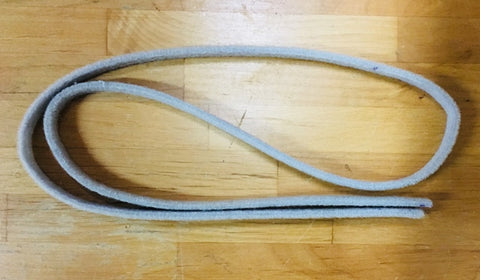
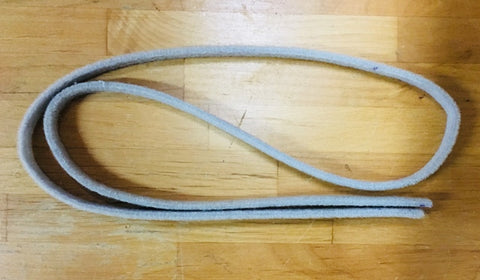
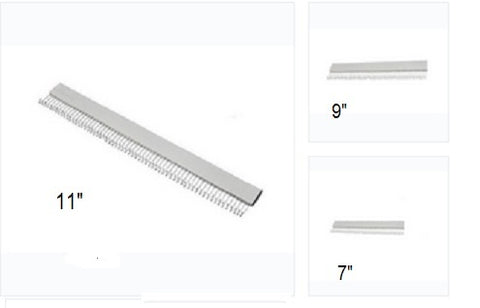
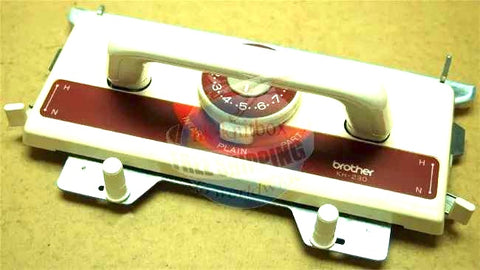
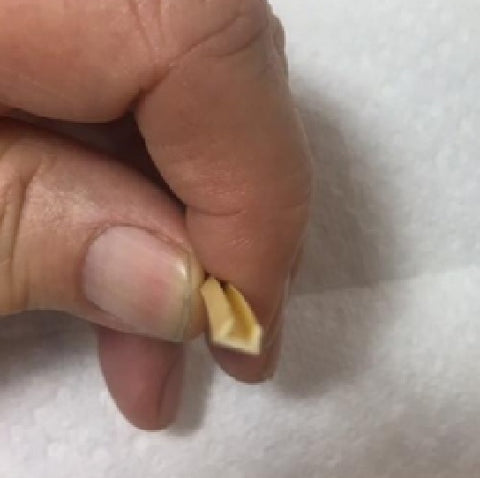
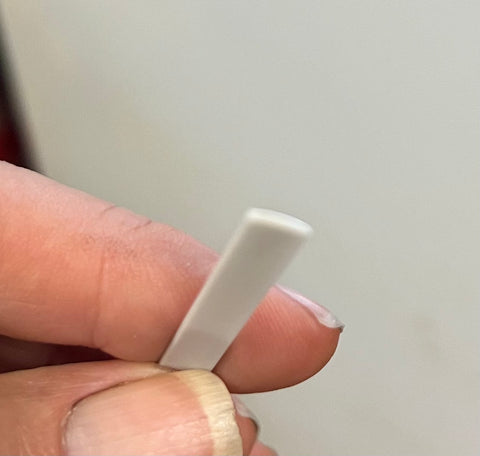
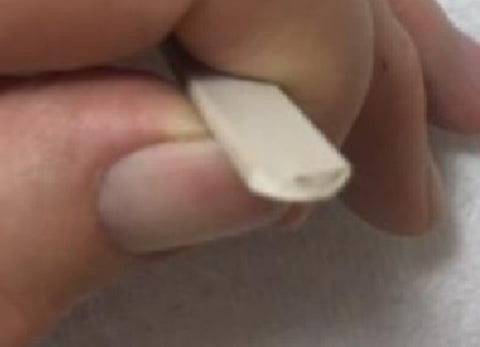
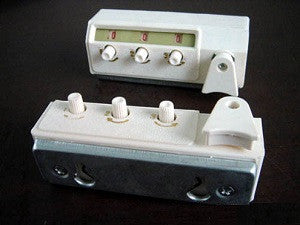
G-Carriage information, PartsThere have been several models of G Carriage manufactured over the years in several different models. Starting with the KG88, KG89, KG88II and KG89II, Auto 81GC and Auto 91 GC, a KG93 and finally the KG95. Each machine had modifications, which made differences in knitting ease or difficulty depending on the model. Early machines (KG88 and KG89) did not have the ability to cast on and required either an E Wrap or crochet cast on that was done manually. The later models starting with the KG88II and KG89II did have this capability, which was a valuable feature. Also, to prevent dropped stitches, the addition of a plastic brush part on the underside of the G needle prevented dropped stitches. This part can be easily replaced to improve an older model otherwise the older models are basically the same as their newer brethren. The question often comes up as to which model goes on your specific knitting machine. I will try to answer that. Any model G carriage can work on any standard gauge machine. An older machine may need some augmentation but it could be made to accept a garter carriage. Trying to keep it simple and without going into too many details, changing band units or needle beds would be necessary for older punch card machines. If you are not into computers and prefer your punch card machine, one could have changes made to allow your garter carriage to work on your newer machine. Problem is, that parts are not as readily available as a few years ago so modifications are not as readily done. The KG89 was made for the punch card machine but with the addition of magnets, it could be used on an electronic. A set of magnets can still be purchased for your G carriage, which would allow it to work with your electronic. Evan a 910 was often modified to work with a G Carriage. You can tell if your 910 was modified if your serial number includes the letters ?C4?. Machines from earlier models required modification of the electronic "mother board" which is now almost impossible because of the non-availability of this part. The 910, KH836, 860 and 811 also need the addition of special racks that fit over the smooth rail to help the G carriage "walk". Machines needing these racks are not able to utilize over 190 needles. The three racks, left, right and middle are also very scarce and very difficult to find, however they are necessary to enable the machines to be able to use a garter carriage. Trippers and magnets may also be necessary and thankfully, these are still available but are becoming very scarce. The last model made was the KG95. These worked well on all machines but were especially made for a 970. Magnets on this model must be removed for insertion of a G sensor cam; this is mentioned on page 86 of the 970-machine manual. Your row counter tripper should be removed too. Both the row counter tripper and the magnets should be replaced if you want to use your KG95 carriage on another machine. Make sure you change the sponge bar (needle retainer bar) if it is over 1 year old. Failure to do this may cause damage to your G-carriage and your knitting machine. It is good to have two of these bars and alternate the bars after each garment. Using the G carriage on the slow setting is better for the G carriage. Use lubricant sparingly and use weights across the entire width of your knitting when knitting with heavier yarn. |